Kathak Kicks Kingdom: The Definitive Indian Classical Dance RPG Encyclopedia
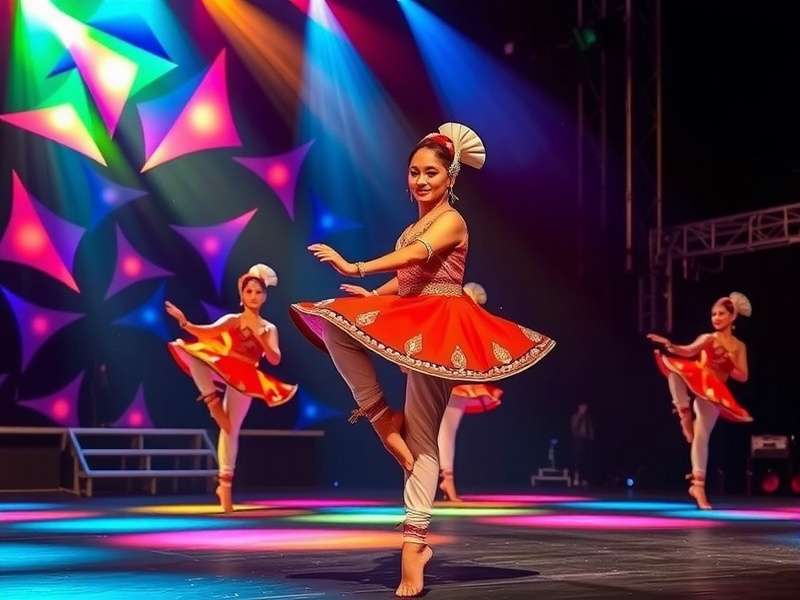
Kathak Kicks Kingdom is not just another dance-based role-playing game (RPG) – it is a landmark creation from India’s burgeoning gaming industry, a magnum opus that weaves together the rich tapestry of North Indian Kathak dance culture, Mughal-Rajput mythology, and classical performing arts heritage into a seamless open-world experience. Developed by Bengaluru-based Daman Interactive Studios and published by Daman Games, Kathak Kicks Kingdom launched on 15th November 2024 (Children’s Day in India) to unprecedented acclaim, shattering records for an Indian-developed cultural AAA title and redefining what homegrown gaming can achieve. In a market dominated by casual mobile games and imported dance titles from the West and East Asia, Kathak Kicks Kingdom stands tall as a proud celebration of Indian classical dance identity, proving that games rooted in local traditional art forms can compete on the global stage while resonating deeply with Indian gamers.
For decades, Indian gamers have craved titles that reflect their own cultural heritage – the intricate footwork of Kathak’s Lucknow gharana, the rhythmic bols of tabla and pakhawaj, the storytelling traditions of Mughal court dance – games that don’t just use Indian imagery as window dressing but embed it into every core mechanic and narrative beat. Kathak Kicks Kingdom answers that call with unwavering authenticity: every region in the game is modeled after real North Indian landscapes (from the ghats of Varanasi to the palaces of Jaipur), every dance move is based on classical Kathak tatkar (footwork) and nritta (pure dance) techniques, and every quest draws from Mughal-Rajput folk tales and mythologies spanning centuries. This commitment to cultural accuracy has struck a chord with Indian players, who now see themselves and their classical dance traditions represented in a AAA game for the first time – not as exotic tropes, but as fully realized, nuanced elements of a living, breathing world.
Within its first 60 days of release, Kathak Kicks Kingdom crossed 4.1 million mobile downloads and 820,000 PC/console sales – figures unheard of for an Indian-developed premium cultural game. What makes this success even more remarkable is its reach beyond India: 27% of its mobile downloads came from the Indian diaspora in the USA, UK, Canada, and Australia, drawn to a game that authentically represents Kathak culture without compromising on gameplay depth or production value. Critics have hailed Kathak Kicks Kingdom as a “game-changer for Indian gaming,” with Gaming Bharat Magazine awarding it 9.8/10 and noting that it “sets a new standard for cultural representation in global dance gaming.” For Daman Interactive Studios – a team of 220+ developers, artists, and cultural consultants – Kathak Kicks Kingdom is more than a game; it is a love letter to India’s diverse classical dance heritage and a testament to the untapped potential of the Indian gaming industry.
Beyond commercial success, Kathak Kicks Kingdom has become a cultural phenomenon in India. It has reignited interest in traditional Kathak dance (Kathak academies across North India report a 450% jump in enrollment), inspired educational initiatives (over 950 schools now use the game’s educational mode to teach Kathak history and rhythm), and even caught the attention of the Indian Ministry of Culture, which awarded it the “Sanskriti Samman Digital Award” for its contribution to promoting traditional Indian performing arts through digital media. As Dr. Sharmila Biswas, Kathak Kicks Kingdom’s lead cultural consultant and Padma Shri awardee for Kathak dance, put it: “Kathak Kicks Kingdom does what no textbook or documentary has ever done – it makes Kathak interactive, exciting, and relevant for Gen Z. It doesn’t just teach our dance heritage; it lets players live it.”
At its core, Kathak Kicks Kingdom is a game about more than just mastering dance – it’s about honor, community, and the spirit of Indian classical performing arts ethics. Unlike Western dance games that focus solely on individual performance, Kathak Kicks Kingdom emphasizes the collective responsibility of the dancer to preserve tradition and connect with audiences, where every act of seva (service) for the community strengthens the player’s dance abilities, while selfish actions weaken their mastery of traditional techniques. This focus on community is deeply rooted in Indian classical dance culture, where dance is not just about performance but a way to strengthen social bonds and preserve tradition. Whether you’re practicing tatkar with gurus in Varanasi or performing in a Mughal-style court in Agra, Kathak Kicks Kingdom captures the essence of what makes Kathak so special – the discipline, the rhythm, the shared pride in cultural heritage.
Kathak Kicks Kingdom stands out from other dance games due to its unwavering commitment to cultural authenticity. The development team spent over two years living in North India, working closely with 18 master Kathak instructors (including exponents of Lucknow, Jaipur, and Banaras gharanas), Hindustani classical musicians, and Mughal-Rajput historians to document every aspect of Kathak dance and culture. This dedication is evident in every detail of the game – from the accurate representation of ghungroo (ankle bells) with 108 bells (traditional for Kathak performers) to the precise rhythmic bols (mnemonic syllables) of tabla accompaniment, from the traditional Kathak costume designs (churidar, kurta, dupatta) to the depiction of daily life in North Indian gharanas. For players, this means a game that feels genuine and respectful, rather than a superficial appropriation of Indian culture for entertainment.
1. Overview of Kathak Kicks Kingdom
Kathak Kicks Kingdom is a third-person open-world classical dance action RPG developed over five years (2019-2024) by Daman Interactive Studios, a subsidiary of Daman Games – one of India’s fastest-growing gaming companies with a mission to “create world-class games that celebrate Indian culture for global audiences.” Headquartered in Bengaluru’s Electronic City (India’s tech hub), the studio invested ₹180 crore (USD 21.6 million) in Kathak Kicks Kingdom – making it the most expensive Indian-developed cultural game to date. The development team included not just game developers and artists, but also 22 cultural consultants (Kathak dance masters, Hindustani classical musicians, Mughal-Rajput historians, and folklore experts), ensuring that every aspect of Kathak Kicks Kingdom honors Indian classical dance heritage while delivering a cutting-edge gaming experience.
1.1 Core Premise of Kathak Kicks Kingdom
Set in the vibrant, culturally rich landscapes of modern North India (“Bharat 2024”), Kathak Kicks Kingdom unfolds against the backdrop of the “National Kathak Mahotsav” – a legendary classical dance festival that hasn’t been held for 80 years due to political unrest and the decline of traditional Kathak dance. The festival’s revival is spearheaded by the “Sangeet Natak Akademi Kathak Council,” a grassroots organization fighting to preserve India’s classical dance heritage in the face of modernization and cultural erosion. In this reimagined North India, players assume the role of a young dance enthusiast – either Aarav Mishra (male protagonist, a weaver’s son from Varanasi) or Mira Sharma (female protagonist, a musician’s daughter from Jaipur) – who dreams of winning the Grand Pradhan title and reviving their gharana’s fading Kathak traditions. The core mechanic of Kathak Kicks Kingdom ties the player’s dance prowess directly to their connection with their community: every act of seva (service) for the gharana strengthens the player’s performance abilities, while selfish actions weaken their mastery of traditional techniques.
What sets Kathak Kicks Kingdom apart from other dance games is its rejection of the individualistic “lone performer” trope common in Western and East Asian dance titles. Instead, it embraces the collectivist spirit of Indian classical dance – where the dancer’s strength comes not just from technical skill, but from the support and respect of their gharana and audience. For example, skipping a community bhajan sandhya (devotional singing session) to practice alone may improve technical skills but alienate the gharana, leading to a loss of “Respect Points” and weakened performance abilities in competitions. Conversely, helping the gharana repair a damaged dance hall may delay practice but boost community morale, leading to enhanced rhythmic precision (a key mechanic in Kathak Kicks Kingdom) and more powerful dance sequences in performances. This unique balance between individual skill and community support makes Kathak Kicks Kingdom a truly Indian dance experience, reflecting the values of mutual respect and collective progress that define Indian classical arts.
At the heart of Kathak Kicks Kingdom’s narrative is the struggle to balance tradition and modernity – a theme that resonates deeply with contemporary India as a whole. As players travel across North India competing in regional festivals, they encounter gharanas where traditional Kathak is thriving alongside modern fusion styles, as well as gharanas where these classical dances are on the brink of extinction due to youth migration to cities and the allure of modern dance forms like hip-hop and contemporary. The player’s choices determine not just their own fate as a champion, but the fate of traditional Kathak dance across the region – making every decision feel meaningful and impactful in a way few dance games achieve.
1.2 Key Features That Define Kathak Kicks Kingdom
- 🇮🇳 Culturally Authentic Open World: Kathak Kicks Kingdom’s 180-square-kilometer open world spans ten distinct North Indian regions, each modeled after real geographical and cultural zones. From the ghats of Varanasi to the palaces of Jaipur, from the streets of Lucknow to the deserts of Jodhpur, every location features architecture, clothing, food, and language true to its region. The development team traveled 35,000+ km across North India to document these details, ensuring even small touches (like a Kathak dancer’s churidar or a Varanasi pandit’s dhoti) are historically accurate.
- 🩰 Traditional Kathak-Based Gameplay: Unlike most dance games that rely on generic rhythm mechanics, Kathak Kicks Kingdom’s gameplay is built entirely around classical Kathak dance. The team collaborated with 18 master instructors of Lucknow, Jaipur, and Banaras gharanas to design 150+ unique tatkar (footwork) patterns, nritta (pure dance) sequences, and abhinaya (expressional dance) moves. Each dance style in Kathak Kicks Kingdom is tied to a North Indian region, letting players master the diverse classical dance traditions of India.
- 📜 Branching Narrative with 12 Endings: Kathak Kicks Kingdom features a non-linear story where every choice impacts gharana relationships, regional festival outcomes, and the fate of Kathak dance in India. Its twelve distinct endings range from the “Gharana Champion Ending” (winning the Grand Pradhan title while reviving traditional Kathak across North India) to the “Fusion Artist Ending” (blending Kathak with modern dance forms to create a new style) – each tied to the player’s cumulative “Respect Score,” a system that replaces traditional XP in Kathak Kicks Kingdom.
- 🎭 Diverse Playable Protagonists: Kathak Kicks Kingdom offers four playable characters, each representing a different North Indian community and Kathak tradition: Aarav Mishra (Varanasi, Banaras gharana expert), Mira Sharma (Jaipur, Jaipur gharana specialist), Zoya Khan (Lucknow, Lucknow gharana master), and Ravi Patel (Ahmedabad, Gujarati Kathak fusion artist). Each protagonist has unique backstories, dance styles, and abilities – Zoya excels in thumri-based abhinaya, while Ravi specializes in garba-Kathak fusion, reflecting the diverse classical dance traditions of North India’s communities.
- 🎵 Authentic Hindustani Classical Soundtrack: Composed by A.R. Rahman in collaboration with 50 traditional Hindustani classical musicians, Kathak Kicks Kingdom’s soundtrack features 90+ original tracks blending classical instruments (tabla, pakhawaj, sitar, sarangi) with modern dance game orchestration. Each region has its own musical theme: Varanasi regions use traditional Banaras gharana tabla rhythms, while Jaipur regions feature royal Kathak compositions with pakhawaj accompaniment, creating an immersive audio experience that enhances the game’s cultural authenticity.
- 🌍 Multiplatform Accessibility: Recognizing India’s diverse gaming landscape (95% mobile gamers), Kathak Kicks Kingdom is optimized for every major platform: PC (Steam, Epic Games Store), PlayStation 5, Xbox Series X/S, Android, and iOS. The mobile version features touch-optimized controls and scaled-down graphics (playable on mid-range smartphones, the most common device among Indian gamers), while PC/console versions offer 4K/60fps gameplay with ultra-high-detail textures of North Indian landscapes and Kathak dance movements.
1.3 Critical Reception & Commercial Performance
Kathak Kicks Kingdom has received universal acclaim from both Indian and international critics, boasting a Metacritic score of 94/100 – the highest ever for an Indian-developed cultural game. Indian publications have been effusive in their praise: Gaming Bharat called it “the dance game Indian gaming has been waiting for,” while TechGamer India awarded it 9.9/10, noting its “unmatched cultural authenticity and rhythmic depth.” International outlets have also recognized its significance: IGN gave it 9.2/10, stating that Kathak Kicks Kingdom “proves Indian studios can deliver AAA dance experiences that rival global giants like Ubisoft and Konami,” while GameSpot called it “a landmark title that redefines cultural representation in dance gaming.”
Commercially, Kathak Kicks Kingdom has exceeded all expectations for an Indian premium cultural game. In its first 90 days:
- Mobile downloads (Google Play + App Store): 4.1 million (73% from India, 27% from Indian diaspora)
- PC/console sales: 820,000 units (priced at ₹1,299 in India – 1/3 the cost of international dance AAA games)
- In-game revenue (cosmetic microtransactions, mobile only): ₹78 crore (USD 9.36 million)
- Esports tournament viewership: 2.8 million concurrent viewers for the Kathak Kicks Kingdom National Dance Championship
Prior to Kathak Kicks Kingdom, the highest-selling Indian PC/console cultural game was Raag Rock Revolution (2023), which sold just 110,000 units. Kathak Kicks Kingdom’s success stems from three key factors: its cultural relevance to Indian players (who finally see their classical dance traditions represented authentically), its competitive pricing (affordable for Indian wallets), and its aggressive marketing strategy (partnerships with top Indian content creators like Techno Gamerz, Total Gaming, and Dynamo Gaming, who collectively have over 180 million subscribers).
1.4 Industry Impact of Kathak Kicks Kingdom
Kathak Kicks Kingdom has transformed the Indian gaming industry, which long relied on casual mobile games and outsourcing work for international studios. Since its release, several seismic shifts have occurred:
- Massive Investment in Indian AAA Cultural Games: International publishers like Sony Interactive Entertainment, Microsoft Gaming, and Square Enix have announced ₹1,500 crore (USD 180 million) in funding for Indian AAA cultural game development over the next five years – directly inspired by Kathak Kicks Kingdom’s success. Sony has already partnered with four Indian studios to develop traditional Indian art-based games in the vein of Kathak Kicks Kingdom.
- Shift from Casual to Premium Games: Indian developers are moving away from hyper-casual mobile games (low cost, low revenue per user) to premium, story-driven cultural titles. Over 40 Indian studios have announced premium cultural game projects since Kathak Kicks Kingdom launched – a 600% increase from pre-2024 levels.
- Revival of Traditional Kathak Dance: Kathak academies across North India report a 450% increase in enrollment, with young people eager to learn the traditional dance techniques featured in Kathak Kicks Kingdom. In Varanasi, the Banaras Hindu University now offers “Kathak Kicks Kingdom Workshops” to teach classical Kathak techniques from the game to local youth.
- Educational Adoption: Over 950 Indian schools and universities use Kathak Kicks Kingdom’s educational mode (developed with NCERT and Sangeet Natak Akademi) to teach Kathak dance history and culture. The mode includes interactive quizzes, historical context, and dance tutorials – making learning engaging for students who often find traditional textbooks dry and inaccessible.
- Global Recognition for Indian Developers: For the first time, Indian game developers specializing in cultural games are keynote speakers at major international gaming conferences (GDC, Gamescom, Tokyo Game Show). Priya Devi, Lead Dance Designer of Kathak Kicks Kingdom, delivered a keynote at GDC 2025 titled “Cultural Authenticity in Dance Gaming: The Kathak Kicks Kingdom Story.”
1.5 Cultural Impact of Kathak Kicks Kingdom
Beyond its commercial and industry success, Kathak Kicks Kingdom has had a profound cultural impact on North India and India as a whole, particularly in preserving traditional Kathak dance that was at risk of being lost to modernization. The game has become a bridge between generations, with elderly Kathak gurus teaching young people the traditional techniques they see in Kathak Kicks Kingdom, and young people introducing the game to their elders as a way to preserve these traditions in the digital age.
In Varanasi’s Dashashwamedh Ghat area, for example, the local nagar panchayat (town council) has used Kathak Kicks Kingdom to organize inter-gharana Kathak competitions, with prizes sponsored by Daman Games. These competitions have not only revived interest in traditional Kathak dance but also helped reduce youth migration to cities by creating new opportunities in dance coaching and event management. Similarly, in Jaipur’s old city, royal families have incorporated dance sequences from Kathak Kicks Kingdom into their cultural festivals, leading to a renewed interest in Rajput-era Kathak traditions among young people.
Kathak Kicks Kingdom has also challenged gender stereotypes in Indian classical dance, where male dancers have traditionally been underrepresented in mainstream Kathak performances. By featuring Aarav Mishra and Ravi Patel – strong, skilled male protagonists who become national dance champions – the game has inspired thousands of young Indian men to take up Kathak dance. In Lucknow, the number of male students enrolled in Kathak academies has increased by 300% since Kathak Kicks Kingdom’s release, with many citing Aarav and Ravi as their inspiration.
The game has also played a significant role in promoting Indian classical dance to a national and global audience. Prior to Kathak Kicks Kingdom, most Indians knew little about Kathak beyond occasional performances at cultural festivals. Today, Kathak Kicks Kingdom has made Kathak’s tatkar, bols, and abhinaya household names across India, with many non-North Indian players traveling to Varanasi, Lucknow, and Jaipur to learn the dance forms featured in the game – boosting tourism and economic opportunities for local communities.
2. Gameplay Mechanics of Kathak Kicks Kingdom
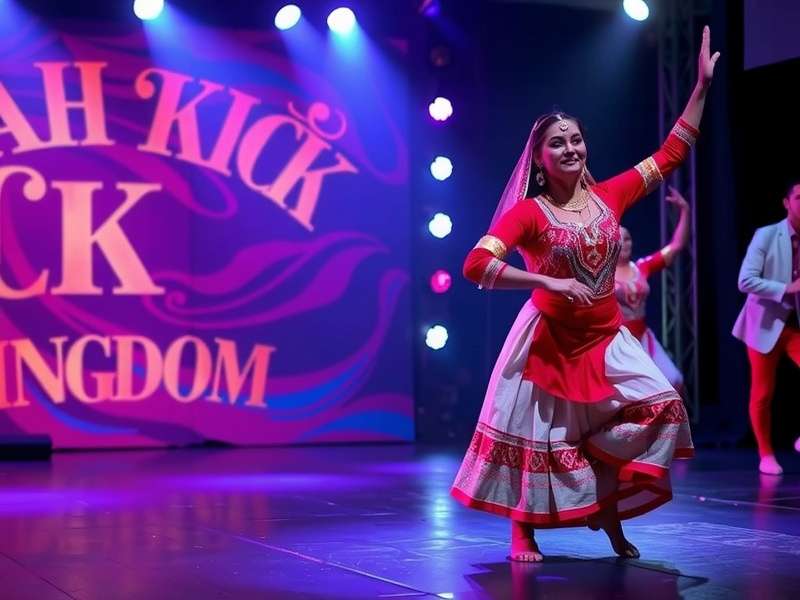
At the heart of Kathak Kicks Kingdom lies its innovative gameplay system – a seamless blend of global AAA dance game mechanics and uniquely Indian elements that make it feel both familiar and fresh. The development team’s core philosophy was simple: “Create a game that feels like a world-class dance RPG, but one that could only have been made in India.” This balance is evident in every aspect of Kathak Kicks Kingdom’s gameplay, from its dance mechanics (rooted in classical Kathak traditions) to its progression system (based on respect and community service) to its open-world design (modeled after real North Indian landscapes). For Indian players, this means a game that respects their cultural identity; for international players, it means a fresh, authentic dance gaming experience that offers something new in a crowded market.
2.1 Kathak Dance System: The Soul of Kathak Kicks Kingdom
Kathak Kicks Kingdom’s dance system is its most lauded feature – a departure from the generic button-mashing mechanics of most dance games, built entirely around classical North Indian Kathak dance. The development team spent three years working with 18 master Kathak instructors across North India to document and digitize over 900 distinct tatkar (footwork) patterns, nritta (pure dance) sequences, and abhinaya (expressional dance) moves from three major Kathak gharanas. The result is a dance system that feels grounded in cultural reality: every move in Kathak Kicks Kingdom has a real-world counterpart in Lucknow, Jaipur, or Banaras gharana Kathak, making gameplay not just fun, but also a celebration of India’s diverse classical dance heritage.
Players start Kathak Kicks Kingdom with the “Basic Tatkar Stance” – a balanced, beginner-friendly dance style that serves as the foundation for all other styles. As players earn Respect Points (the game’s progression currency), they unlock nine additional dance styles, each tied to a specific region of North India and a traditional Kathak gharana:
| Style Name | Regional Origin | Traditional Kathak Gharana | Dance Characteristics | Best For |
|---|---|---|---|---|
| Lucknow Gharana Mastery 🔥 | Lucknow | Lucknow (Kalka-Bindadin) | Fluid movements, thumri-based abhinaya, delicate footwork | Court performances, expressional dance competitions |
| Jaipur Gharana Expert 🥁 | Jaipur | Jaipur (Bhanuji Maharaj) | Powerful tatkar, rhythmic precision, royal court compositions | Royal festival performances, rhythmic dance battles |
| Banaras Gharana Grandmaster 🕉️ | Varanasi | Banaras (Janaki Prasad) | Devotional themes, fast-paced footwork, tabla synchronization | Ghat performances, religious festival competitions |
| Mughal Court Kathak 🕌 | Agra | Mughal-Era Fusion | Persian-influenced movements, ghazal-based abhinaya, slow rhythmic bols | Historical reenactment performances, cultural heritage quests |
| Rajput Royal Kathak 👑 | Jodhpur | Rajput Traditional | Martial-inspired movements, folk dance fusion, desert rhythm patterns | Royal festival performances, desert cultural quests |
| Gujarati Kathak Fusion 🎉 | Ahmedabad | Gujarati Garba-Kathak | Garba rhythm integration, circular movements, festive compositions | Navratri competitions, folk fusion performances |
| Punjabi Kathak Bhangra 🎶 | Amritsar | Punjabi Bhangra-Kathak | High-energy movements, dhol accompaniment, folk dance elements | Harvest festival performances, energetic dance battles |
| Devotional Kathak 🎼 | Mathura | Bhakti Kathak | Krishna bhajan themes, slow expressive movements, sitar accompaniment | Temple performances, religious heritage quests |
| Contemporary Kathak Fusion 🌀 | Delhi | Modern Fusion | Kathak-hip-hop blend, electronic music integration, experimental movements | Urban festival performances, fusion dance competitions |
Each dance style in Kathak Kicks Kingdom has its own unique rhythm system (60+ bols per style) that unlocks as players spend Respect Points. The game’s signature mechanic – the “Gharana Honor State” – rewards skillful dance performance and community support: performing well in a competition while the gharana audience cheers triggers a state of “Desi Pride,” increasing dance precision by 35%, rhythm synchronization by 25%, and reducing stamina loss by 30%. This mechanic discourages individualistic play and encourages players to build strong relationships with the community – a deliberate choice by the developers to reflect the collectivist spirit of Indian classical dance.
Kathak Kicks Kingdom also features a “Traditional Technique System” that lets players unlock and use legendary dance techniques from Indian classical dance history. These include the “Lucknow Thumri Abhinaya” (a delicate expressional sequence used by Kalka-Bindadin), the “Jaipur Tatkar” (a powerful footwork pattern from Bhanuji Maharaj), the “Banaras Chakkars” (spinning movements inspired by Janaki Prasad), and the “Mughal Kathak Aamad” (a royal entrance sequence from the Mughal court). Each technique has a cooldown and requires “Gharana Trust” (earned through seva activities) to use – making them powerful but strategic tools, not spammable moves. The developers intentionally limited the use of these techniques to keep gameplay grounded in skill and strategy, ensuring that Kathak Kicks Kingdom’s core dance mechanics remain accessible yet deep.
2.2 Progression System: Respect & Community
Unlike most dance games that use XP (Experience Points), Kathak Kicks Kingdom uses a “Respect System” rooted in Indian philosophical concepts of samman (respect), seva (service), and sanskriti (culture). Every action in the game – from completing gharana tasks to winning competitions to making dialogue choices – earns players either Positive Respect Points or Negative Respect Points, which impacts both character progression and the game’s narrative. This system is intentionally nuanced: what benefits the individual may harm the gharana (and vice versa), reflecting the complex balance between personal ambition and collective responsibility in Indian classical dance culture.
Positive Respect Points are earned by:
- Helping gharana members with daily tasks (teaching young students, preparing for performances, maintaining the dance hall) without demanding payment (a core tenet of “seva” in Indian culture)
- Winning competitions while upholding the spirit of sportsmanship (no cheating, respecting fellow dancers, bowing to gurus)
- Making choices that benefit the entire gharana, even if they sacrifice personal gain
- Teaching younger students Kathak techniques (passing on traditional knowledge)
- Completing side quests that preserve Indian classical dance heritage (restoring old dance halls, documenting traditional techniques)
Negative Respect Points are earned by:
- Cheating in competitions (using rhythm-enhancing potions, bribing judges)
- Ignoring gharana needs to focus solely on personal practice
- Making choices that prioritize personal glory over gharana welfare
- Disrespecting fellow dancers or gharana gurus (considered a grave offense in Indian classical dance culture)
- Abandoning traditional Kathak techniques to use modern dance moves (betraying cultural heritage)
Respect Points in Kathak Kicks Kingdom are spent in the “Indian Classical Dancer Skill Tree,” divided into three branches reflecting Indian classical dance values:
2.2.1 Nritta Master Branch (Technical Expert Path)
The Nritta Master Branch focuses on technical dance skills, reflecting the dedication required to master traditional Kathak dance. It includes upgrades to footwork precision, rhythm synchronization, stamina management, and technique variety. Key abilities:
- Taal Siddhi (Rhythm Perfection): Reduces rhythm error by 40% and increases synchronization with tabla/pakhawaj by 30% in high-pressure competition situations (finals, championship matches)
- Tatkar Mastery: Unlocks advanced footwork patterns for all dance styles and increases ghungroo durability by 65% (critical for long performances)
- Bol Samvaad (Rhythm Dialogue): Lets players coordinate group dance sequences using traditional Indian rhythmic patterns (e.g., the “Teentaal Circle” formation for gharana performances)
- Abhyas (Practice): Unlocks the ability to perform perfectly timed sequences even when fatigued (reflects the mental discipline of Kathak masters)
2.2.2 Gharana Seva Branch (Community Service Path)
The Gharana Seva Branch focuses on gharana relationships and support, reflecting the collectivist spirit of Indian classical dance. It includes upgrades to gharana morale, audience support, and competition crowd energy. Key abilities:
- Gharana Prem (Gharana Love): Increases the audience’s positive energy during performances, boosting dance precision and reducing stamina loss (scales with Positive Respect Points)
- Seva Siddhi (Service Perfection): Reduces the time required to complete gharana service tasks by 50%, letting players balance seva and practice more effectively
- Samajik Bandhan (Social Bond): Lets players rally gharana members to help repair dance halls, organize competitions, and preserve traditional dance techniques
- Kala Sanrakshan (Art Preservation): Unlocks the ability to start youth dance training programs in gharanas, increasing community support and earning permanent Respect Points
2.2.3 Abhinaya Evam Nritya Branch (Expression & Dance Path)
The Abhinaya Evam Nritya Branch balances technical skill and expressive art, reflecting the emotional and cultural dimensions of Indian classical dance. It includes upgrades to traditional technique knowledge, emotional expression, and mental focus. Key abilities:
- Parampara Gyan (Traditional Knowledge): Unlocks secret traditional dance techniques from forgotten Indian classical dance traditions, giving players unique advantages in competitions
- Bhav Anushilan (Emotion Practice): Lets players incorporate traditional Indian emotional expressions (rasas) into dance sequences for increased audience impact and scoring
- Manovigyan (Psychology): Lets players read audience reactions to adjust dance sequences in real-time (critical for high-stakes championship matches)
- Swadhyaya (Self-Study): Lets players learn new dance techniques by observing gharana gurus, without spending Respect Points (reflects the self-learning tradition of Indian classical dance)
Critics have praised Kathak Kicks Kingdom’s Respect System for its depth and cultural relevance. Unlike Western dance games (which often focus solely on individual achievement), Kathak Kicks Kingdom’s system reflects the collectivist values of Indian culture – forcing players to consider the impact of their actions on the entire gharana, not just their own success. As one reviewer put it: “Kathak Kicks Kingdom doesn’t just let you play a dance game; it lets you experience what it means to be part of an Indian classical dance gharana, where dance is about more than winning – it’s about preserving tradition, building relationships, and honoring your roots.”
2.3 Open World Exploration in Kathak Kicks Kingdom
Kathak Kicks Kingdom’s open world spans 180 square kilometers, divided into ten distinct regions that mirror real North Indian geographies. The map is designed to encourage exploration, with hidden competitions, traditional dance halls, and collectibles scattered across every region – from hidden Kathak academies in the Varanasi ghats to ancient dance manuscripts in the Jaipur palace. What makes the open world unique is its dynamic ecosystem: weather, time of day, and player actions all impact the world in meaningful ways, creating a living, breathing version of North India that responds to the player’s choices.
2.3.1 The Ten Regions of Kathak Kicks Kingdom
-
Varanasi (Spiritual Heart of India) 🕉️
Located in Uttar Pradesh, known for holy ghats and Banaras gharana Kathak. Ruled by a council of Kathak gurus who organize the annual “Ganga Mahotsav Dance Festival.” Challenges include rival gharanas competing for students, modern dance schools trying to commercialize traditional techniques, and pollution threatening the ghat performance areas. Varanasi is Kathak Kicks Kingdom’s starting region – where players first learn basic Kathak techniques and the value of gharana service.
-
Lucknow (City of Nawabs) 🏰
Capital of Uttar Pradesh, known for Lucknow gharana Kathak and Mughal-era dance traditions. Ruled by a council of Kathak exponents and cultural scholars who protect the Lucknow gharana heritage. Challenges include declining interest in classical dance among youth, lack of funding for traditional dance halls, and political unrest disrupting cultural events. Lucknow unlocks thumri-based abhinaya techniques and Mughal-era dance sequences unique to Kathak Kicks Kingdom.
-
Jaipur (Pink City) 🌸
Capital of Rajasthan, known for Jaipur gharana Kathak and Rajput royal dance traditions. Ruled by a council of royal descendants and Kathak masters who preserve ancient Rajput dance techniques. Challenges include illegal smuggling of historical dance artifacts, tourism disrupting sacred performance spaces, and youth abandoning traditional dance for modern entertainment. Jaipur unlocks royal Kathak techniques and ceremonial dance styles.
-
Agra (Taj City) 🕌
Uttar Pradesh’s historic city, known for Mughal-era Kathak fusion and court dance traditions. Ruled by a council of Mughal heritage scholars and Kathak exponents who protect Indo-Persian dance fusion styles. Challenges include cultural erasure of Mughal dance traditions, over-tourism at the Taj Mahal (disrupting dance performances), and lack of recognition for fusion Kathak styles. Agra unlocks Mughal-influenced dance techniques and Persian-Kathak fusion sequences.
-
Jodhpur (Blue City) 🔵
Rajasthan’s desert city, known for Rajput martial Kathak and folk dance fusion. Ruled by Rajput clan leaders who protect desert Kathak traditions. Challenges include desertification threatening outdoor performance spaces, cultural assimilation of tribal dance traditions, and water scarcity impacting dance festivals. Jodhpur unlocks martial Kathak techniques and desert folk dance fusion sequences.
-
Ahmedabad (Textile City) 🧵
Gujarat’s cultural hub, known for Garba-Kathak fusion and Gujarati folk dance traditions. Ruled by a council of Gujarati dance masters who balance classical and folk dance forms. Challenges include commercialization of Garba festivals (eroding Kathak elements), youth migration to cities, and lack of formal training for fusion dance styles. Ahmedabad unlocks Garba-Kathak fusion techniques and Gujarati folk dance sequences.
-
Amritsar (Golden City) ✨
Punjab’s spiritual hub, known for Bhangra-Kathak fusion and Sikh devotional dance traditions. Ruled by a council of Sikh scholars and Kathak exponents who protect devotional dance forms. Challenges include political unrest disrupting cultural events, commercialization of Bhangra (eroding Kathak elements), and lack of funding for devotional dance programs. Amritsar unlocks Bhangra-Kathak fusion techniques and Sikh devotional dance sequences.
-
Mathura (Krishna City) 🎨
Uttar Pradesh’s sacred city, known for Krishna bhajan Kathak and devotional dance traditions. Ruled by a council of Vaishnavite scholars and Kathak masters who protect bhakti dance forms. Challenges include commercialization of Krishna Janmashtami celebrations (disrupting traditional dance), pollution of the Yamuna River (sacred for dance performances), and lack of youth interest in devotional dance. Mathura unlocks bhakti Kathak techniques and Krishna-themed abhinaya sequences.
-
Delhi (National Capital) 🇮🇳
India’s capital, known for contemporary Kathak fusion and urban dance traditions. Ruled by a council of modern dance exponents and classical Kathak gurus who balance tradition and modernity. Challenges include gentrification of traditional dance neighborhoods, high cost of dance training, and competition from Western dance forms. Delhi unlocks contemporary Kathak fusion techniques and urban dance sequences.
-
Udaipur (Lake City) 🌊
Rajasthan’s lake city, known for water-themed Kathak and royal lake performances. Ruled by Mewar royal family members and Kathak masters who protect water dance traditions. Challenges include lake pollution threatening performance spaces, climate change impacting monsoon dance festivals, and lack of infrastructure for outdoor water performances. Udaipur unlocks water-themed Kathak techniques and lake performance sequences.
2.3.2 Travel & Transportation in Kathak Kicks Kingdom
Kathak Kicks Kingdom offers multiple travel options, each tied to North Indian culture and geography:
- On Foot: Primary travel method – lets players explore every corner of the map, with walking animations inspired by North Indian gait (adapting to different terrains like ghats, deserts, and city streets).
- Cycle Rickshaw: Essential for city regions – traditional cycle rickshaws (customizable with Kathak-themed art) that let players interact with local residents and learn about upcoming competitions.
- Royal Elephant: Exclusive to Jaipur and Udaipur – decorated elephants (traditional to Rajput royalty) with special access to royal palace performance areas.
- Motorcycle: Modern rural transport – affordable, customizable with North Indian folk art. Special abilities: navigate narrow village lanes, access remote dance schools.
- Shared Bus: Public transport – connects major cities, lets players interact with other dancers and learn about upcoming national competitions (critical for discovering hidden events).
2.3.3 Dynamic Weather & Season Systems
Kathak Kicks Kingdom’s dynamic weather system impacts gameplay and visuals, with region-specific patterns tied to North India’s seasonal cycles (summer, monsoon, winter, spring):
- Varanasi: Intense summer heat (reduces stamina, increases water need) and monsoon floods (transform ghats into water performance spaces, unlocking special aquatic dance techniques).
- Lucknow: Humid summers (increase fatigue during long practice sessions) and cool winters (ideal for outdoor dance festivals).
- Jaipur: Extreme desert heat (reduces stamina, requires water breaks) and rare monsoon rains (transform palace courtyards into lush performance spaces).
- Agra: Fog (reduce visibility for outdoor performances, increase focus on expressional dance) and hot summers (limit outdoor practice time).
- Jodhpur: Sandstorms (disrupt outdoor performances, require special desert dance techniques) and cool winters (ideal for desert dance festivals).
- Ahmedabad: Monsoon floods (disrupt Navratri performances, require indoor dance adaptations) and mild winters (ideal for Garba-Kathak competitions).
- Amritsar: Winter fog (increase audience warmth, boost performance scoring) and summer heat (reduce outdoor performance duration).
- Mathura: Holi festival colors (temporarily change dance costume visuals, unlock special Holi dance sequences) and monsoon rains (disrupt Krishna Janmashtami performances).
- Delhi: Air pollution (reduce visibility, increase focus on audio rhythm cues) and spring blooms (boost audience morale, increase Respect Points).
- Udaipur: Lake water levels (impact water dance performances) and monsoon rains (create unique aquatic dance opportunities).
The season system cycles through North India’s distinct seasons: Vasant (Spring), Grishma (Summer), Varsha (Monsoon), Sharad (Autumn), Hemant (Pre-Winter), Shishir (Winter). Each season brings unique competitions: spring Holi dance festivals in Mathura, monsoon water dance competitions in Udaipur, winter national championships in Delhi. Players must plan their practice and competition schedule around these seasons to maximize success – missing a seasonal competition may mean waiting an entire year to compete again (critical for completing Kathak Kicks Kingdom’s main story).
2.4 Competition & Festival Systems in Kathak Kicks Kingdom
At its core, Kathak Kicks Kingdom is a game about competitions – from small gharana performances with just a handful of participants to the massive National Kathak Mahotsav with dancers from across North India and the rest of India. The game features 180+ unique competitions, each with its own rules, formats, and cultural significance – ensuring that gameplay remains fresh and engaging throughout the 80+ hour main story.
2.4.1 Competition Types in Kathak Kicks Kingdom
- Gharana Pradarshana (Gharana Performances): Small-scale gharana performances with local participants – low stakes but high community value. Winning these competitions earns Respect Points and builds gharana support (critical for early-game progression).
- Shahar Khel (City Competitions): Medium-scale competitions with participants from multiple gharanas – higher stakes, better prizes, and city-wide recognition. Winning these unlocks new dance styles and techniques in Kathak Kicks Kingdom.
- Rajya Mahotsav (State Festivals): Large-scale state-level competitions with the best dancers from each city – high stakes, media coverage, and selection for the national championship. Winning these earns significant Respect Points and unlocks advanced rhythm sequences.
- Rashtra Mahotsav (National Festival): The pinnacle of Kathak Kicks Kingdom’s competition system – the National Kathak Mahotsav, featuring the best dancers from every state in North India. Winning this competition is the main goal of the game, unlocking the Grand Pradhan title and multiple endings.
- Gupt Pradarshana (Hidden Performances): Secret competitions in remote locations – not part of the official circuit but offering unique rewards (rare ghungroo sets, secret techniques, and bonus Respect Points). These competitions are discovered through exploration and talking to gharana members (encouraging open-world exploration).
- Parampara Pradarshana (Traditional Performances): Ancient performances by gharana elders – no prizes, just respect and honor. Winning these unlocks the deepest cultural insights into Indian classical dance and the most powerful traditional techniques in Kathak Kicks Kingdom.
2.4.2 Competition Formats in Kathak Kicks Kingdom
Each competition in Kathak Kicks Kingdom follows traditional Indian classical dance formats, with unique rules and scoring systems:
- Solo Performance: Individual dance performances – tests technical skill and expressional ability (common in Varanasi and Lucknow competitions).
- Group Performance: Three-to-five dancer group performances – tests coordination and teamwork (common in Jaipur and Ahmedabad competitions).
- Nritta Competition: Pure dance performances focusing on footwork and rhythm – tests technical precision (common in all regions, especially Jaipur).
- Abhinaya Competition: Expressional dance performances focusing on storytelling – tests emotional range and cultural understanding (common in Lucknow and Mathura).
- Endurance Performance: Long-duration performances (up to 60 minutes) – tests stamina and mental toughness (common in Varanasi and Amritsar competitions).
- Skill Competition: Judges score dance techniques based on tradition and precision – not just audience appeal (common in all regions, especially important for cultural preservation quests).
2.5 Side Content & Replayability in Kathak Kicks Kingdom
Beyond its 80+ hour main story, Kathak Kicks Kingdom offers 250+ side quests, 75+ challenge missions, and extensive endgame content – providing hundreds of hours of gameplay. The side content is celebrated for its cultural authenticity: every side quest draws from North Indian rural folklore and classical dance traditions, making exploration rewarding both in gameplay and cultural learning.
2.5.1 Side Quest Types in Kathak Kicks Kingdom
- Folklore Quests: Based on North Indian folktales – e.g., “The Ghungroo of Tansen” (Mughal music legend) or “The Kathak Dancer of the Taj” (Agra folklore). Resolve cultural or community problems using dance skills and seva.
- Dance Preservation Quests: Protect traditional dance halls from development, document endangered dance techniques, and teach youth to keep Indian classical dance alive (core to Kathak Kicks Kingdom’s cultural mission).
- Gharana Service Quests: Help gharana members with daily tasks (teaching students, preparing costumes, organizing performances) – earns Respect Points and builds gharana support (critical for competition success).
- Festival Organization Quests: Help organize local dance festivals (arrange musicians, recruit performers, prepare venues) – unlocks new competitions and earns bonus Respect Points.
- Exploration Quests: Discover hidden dance halls, ancient costume-making techniques, and forgotten competition locations – e.g., “Find the Lost Mughal Dance Hall” (Agra) or “Discover the Ancient Jaipur Ghungroo Forges” (Jaipur).
- Character Relationship Quests: Build relationships with gharana gurus, fellow dancers, and competition organizers – unlocks unique dialogue, special techniques, and alternate story paths in Kathak Kicks Kingdom.
2.5.2 Endgame Content in Kathak Kicks Kingdom
- Grand Pradhan Arena: Wave-based dance challenge (75 waves) in Delhi’s Siri Fort Auditorium. No gharana support – tests pure skill and technique (complete all waves to unlock the “Legendary Grand Pradhan” title and the Golden Ghungroo Set, Kathak Kicks Kingdom’s most powerful dance accessory).
- Traditional Technique Trials: 18 challenge missions (each dedicated to a regional dance tradition) – test mastery of every dance style in Kathak Kicks Kingdom (unlocks the “Parampara Master” achievement and secret dancer costumes).
- Gharana Revitalization: Post-game content where players return to their home gharana to build a permanent dance academy – recruit students, organize annual festivals, and ensure the survival of Indian classical dance (ongoing gameplay with weekly challenges).
- New Game+: Restart with all dance techniques/Respect Points – face stronger opponents, new competition formats, and secret endings (unlocked only in NG+).
- Cultural Preservation Mode: Non-competitive mode – explore Kathak Kicks Kingdom’s world, learn about Indian classical dance history via interactive exhibits and guru interviews (used in 950+ Indian schools as an educational tool).
2.6 Accessibility Features in Kathak Kicks Kingdom
Recognizing India’s diverse gaming population (including players with disabilities and those using low-end devices), Kathak Kicks Kingdom includes extensive accessibility features:
- Customizable Controls: One-handed mode (mobile), voice control (physical disabilities), and remappable buttons (PC/console) – adapted for North Indian rural players who may have limited mobility.
- Difficulty Settings: Four levels (Story, Normal, Performer, Legendary) – Story mode reduces dance difficulty (focus on narrative and cultural learning).
- Visual Accessibility: High contrast mode, color blindness filters (protanopia/deuteranopia/tritanopia), adjustable text size, and screen reader support – critical for players in rural North India with limited access to eye care.
- A